
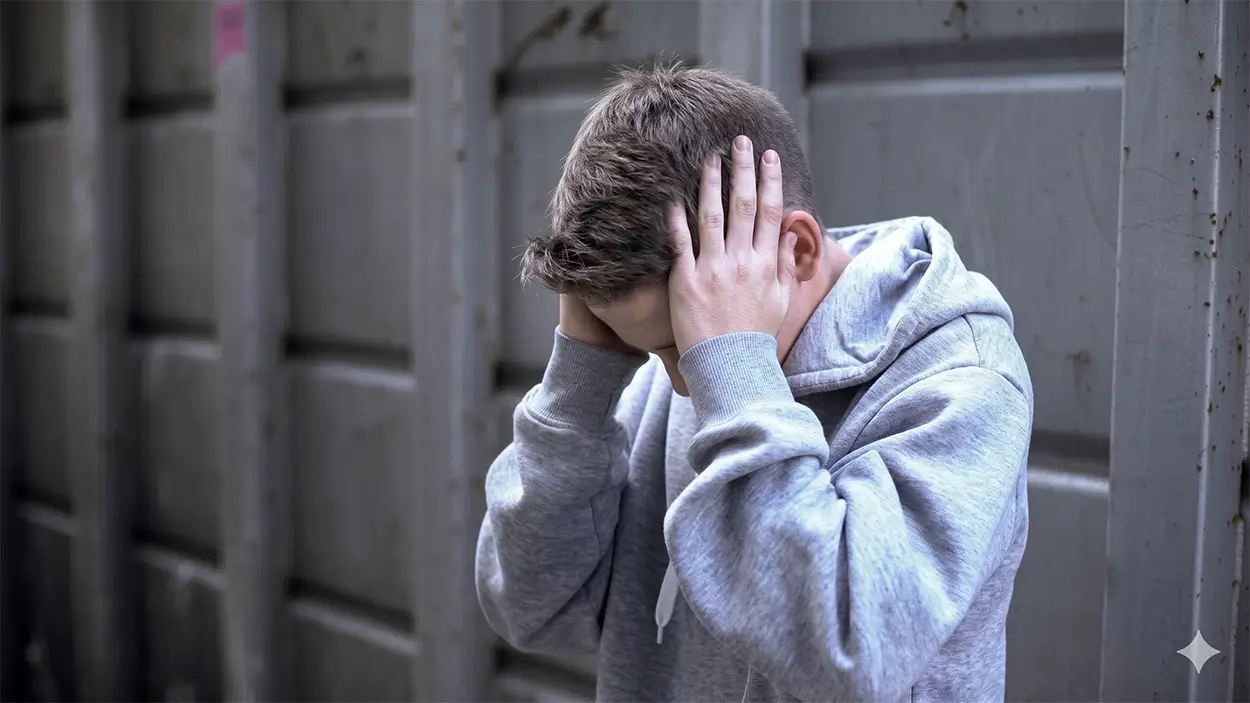
Most parents expect some level of moodiness during the teenage years. It’s part of growing up. Teens are figuring out who they are, dealing with new pressures, and trying to balance independence with everything else going on in their lives.
But sometimes, something feels different. The mood doesn’t lift, and the behavior doesn’t pass. That’s usually when questions come up about teen depression symptoms and whether what you’re seeing is more than a phase.
Depression in teens doesn’t always look the way people expect. It isn’t always obvious sadness. In many cases, it shows up in quieter ways, small changes that build over time until they’re hard to ignore.
A Shift in Mood That Stays
One of the more noticeable signs of depression in teenagers is a mood change that lingers. Not just a bad day or a stressful week, but something that sticks.
Some teens seem down most of the time. Others come across as irritable or easily frustrated. Parents may notice more tension at home, more arguments, or reactions that feel out of proportion.
Sometimes the biggest clue is simply that their teen doesn’t seem like themselves anymore.
There’s often a loss of interest, too. Things that once mattered—sports, hobbies, even spending time with friends may slowly fall away. When that lack of interest doesn’t return, it can be one of the clearer adolescent depression warning signs.
Pulling Back From People
It’s normal for teens to want space. That’s not unusual. But there’s a difference between wanting independence and pulling away completely.
When depression is involved, the withdrawal tends to be more noticeable. A teen might stop making plans, avoid conversations, or spend most of their time alone. Even small interactions can feel like too much.
Parents sometimes describe it as a kind of distance that wasn’t there before. Not dramatic, just steady.
That disconnection can come from feeling overwhelmed, drained, or unsure how to explain what’s going on. And the more it continues, the harder it can be for teens to reconnect.
Sleep, Energy, and Everyday Life
Sleep is often one of the first things to change, though it doesn’t always look the same for everyone. Some teens sleep much more than usual and still wake up tired. Others have trouble falling asleep or stay up late without meaning to.
Either way, energy tends to drop.
A teen who used to keep up with school and responsibilities might start falling behind. Assignments get missed. Motivation fades. Even simple tasks can feel like too much effort.
These are common teen depression symptoms, but they’re easy to misread. From the outside, it can look like laziness or a lack of discipline, especially when grades start to slip.
Physical Complaints and Behavior Changes
Depression isn’t just emotional. It often shows up physically, too.
Some teens start complaining more about headaches or stomachaches, even when there’s no clear medical cause. Appetite can shift, either increasing or decreasing.
There may also be changes in behavior that don’t quite fit. Trouble focusing, making decisions, or staying organized can become more noticeable. Some teens take more risks, while others seem to shut down.
Feelings of guilt or worthlessness may also appear, sometimes in subtle ways. These are adolescent depression warning signs that can be easy to overlook if you’re only looking for sadness.
Figuring Out When to Step In
A lot of parents wonder when to seek help for teen depression, especially when things seem mild but don’t go away.
One way to think about it is duration and impact. If the changes last for a couple of weeks or more and start affecting school, relationships, or daily routines, it’s worth paying attention.
There are also moments that call for immediate support. If a teen talks about feeling hopeless, mentions self-harm, or shows sudden, serious behavior changes, those signs shouldn’t be brushed aside.
Reaching out early can make things easier to manage. It gives teens a chance to understand what they’re feeling before it becomes more overwhelming.
What Parents Can Do in the Meantime
There’s no perfect script for these situations. Still, how a parent responds can make a difference.
Keeping communication open helps, even if conversations are short. Teens are more likely to share when they don’t feel judged or pushed too quickly for answers.
It also helps to keep some consistency in daily life. Regular meals, sleep, and routines create a sense of stability, even when emotions feel unpredictable.
At the same time, it’s important to recognize that support at home may not be enough on its own. Depression is something that often needs professional care.
Support for Teens and Families in the Houston Area
Texas Pediatric Mental Health works with families in the Houston area who are navigating teen depression symptoms and other warning signs. Our clinic offers thorough evaluations and personalized care, helping parents understand when to seek help and what the process looks like. With support for depression, anxiety, ADHD, trauma-related concerns, and more, we focus on helping teens regain balance and build practical coping skills.
If your teen has been struggling with lasting changes in mood, behavior, or energy, contact Texas Pediatric Mental Health to schedule an evaluation and begin getting the support your family needs.