
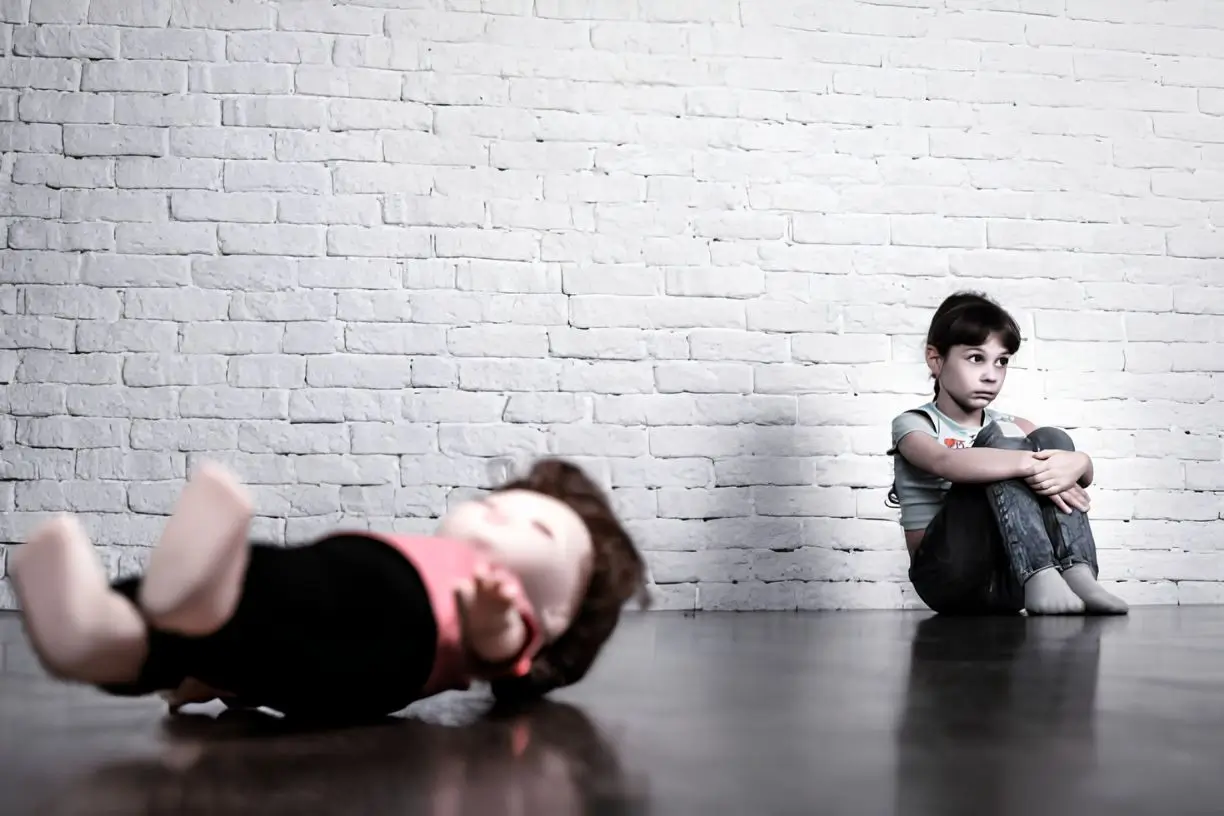
When a child suddenly starts acting differently, most adults try to figure out what changed. Maybe they become unusually quiet. Maybe they start getting angry more often, avoiding school, or reacting strongly to situations that never seemed to bother them before.
At first, it can look like a behavioral issue. But sometimes behavior is only the visible part of a much larger emotional response.
Children do not always talk openly about fear, stress, or painful experiences. In many cases, those feelings show up through actions instead. Understanding childhood trauma symptoms can help parents and caregivers recognize when a child may be struggling emotionally rather than simply “acting out.”
Why Trauma Often Shows Up Through Behavior
Children process stress differently than adults do. They may not fully understand what they are feeling, and they often do not have the language to explain it clearly.
After a distressing event, the brain and body can remain in a heightened state of stress for a long time. Trauma and stress related disorders in children sometimes develop after experiences such as bullying, family conflict, abuse, accidents, grief, medical emergencies, or sudden changes in the home environment.
What makes this difficult is that the emotional reaction is not always obvious from the outside.
Some children become withdrawn. Others become reactive, restless, or unusually emotional. A child who once seemed calm may suddenly struggle with frustration or become easily overwhelmed in situations that previously felt manageable.
These behavioral changes after trauma are often misunderstood because the connection between the experience and the behavior is not always immediate.
Common Childhood Trauma Symptoms
Childhood trauma symptoms can look different depending on the child’s age, personality, and experiences.
Some signs are emotional. A child may seem anxious, unusually fearful, sad, or emotionally distant. Mood swings may become more noticeable. Some children lose interest in activities they normally enjoy or avoid spending time with friends.
Other symptoms appear more behaviorally. A child might become aggressive, impulsive, defiant, or unusually sensitive to criticism. Sleep problems are also common. Some children have nightmares, trouble falling asleep, or difficulty feeling safe at night.
Younger children sometimes regress emotionally after stressful experiences. Bedwetting, clinginess, separation anxiety, or fearfulness may return even after those behaviors had previously improved.
Physical symptoms can happen too. Frequent headaches, stomachaches, fatigue, or unexplained body complaints sometimes appear when emotional stress remains unresolved.
Trauma Responses Are Not Always Obvious
One reason trauma is sometimes missed is because the reactions do not always happen immediately.
Some children continue functioning normally for weeks or even months before emotional changes begin to appear. Others hide distress surprisingly well in public settings while struggling more at home.
This can make it difficult for parents, teachers, or caregivers to recognize what is happening underneath the behavior.
Children experiencing PTSD in kids or other trauma-related conditions may also react strongly to reminders connected to the original event. Certain sounds, places, conversations, or situations can trigger fear or emotional reactions that seem confusing to people around them.
Without understanding the underlying stress response, adults may assume the child is simply overreacting or refusing to cooperate.
How Trauma Can Affect School and Relationships
Trauma can affect much more than emotions alone.
Some children begin struggling academically because concentration becomes more difficult. Others become easily distracted, avoid participation, or react strongly to stress in classroom settings.
Relationships may also change. Children dealing with emotional distress sometimes pull away from friends or become more defensive in social situations. Trust can become harder, especially if the child no longer feels emotionally safe or secure.
Over time, these difficulties can create additional frustration, isolation, and low self-esteem if the underlying issue is not recognized.
Supporting a Child After Trauma
Children recovering from trauma usually benefit most from stability, patience, and consistent emotional support.
That does not mean adults need to have perfect answers. Often, what matters most is creating an environment where the child feels emotionally safe and listened to without fear of punishment or judgment.
Small routines, predictable schedules, and calm communication can help children feel more secure while they process difficult experiences.
Professional support may also help. Therapy can give children age-appropriate ways to express emotions, understand reactions, and develop healthier coping skills over time.
When Professional Support May Be Helpful
Some emotional reactions become easier to manage with time and support. Others continue affecting a child’s behavior, emotions, and daily life long after a difficult experience has passed.
When emotional or behavioral changes begin interfering with school, sleep, relationships, or everyday functioning, professional support may help determine whether childhood trauma is contributing to the symptoms.
Texas Pediatric Mental Health provides compassionate, evidence-based care for children experiencing emotional and behavioral challenges related to trauma. Our team helps families better understand childhood trauma symptoms, behavioral changes after trauma, trauma and stress-related disorders in children, and concerns associated with PTSD in kids.
Through individualized treatment, professional guidance, and a supportive environment, we help children and families move toward healing with greater clarity, confidence, and long-term support.
If your child is struggling with emotional or behavioral changes after a stressful or traumatic experience, contact Texas Pediatric Mental Health today to schedule a consultation and learn how trauma-informed care can support your family.